
Operationalise CTI in Existing Tooling
Move Cyber Threat Exchange feeds into TAXII, API, TIP, SIEM, and internal automation workflows without losing structure.
Overview
Cyber Threat Exchange becomes more valuable when subscribed intelligence can move into the tools where teams already work.
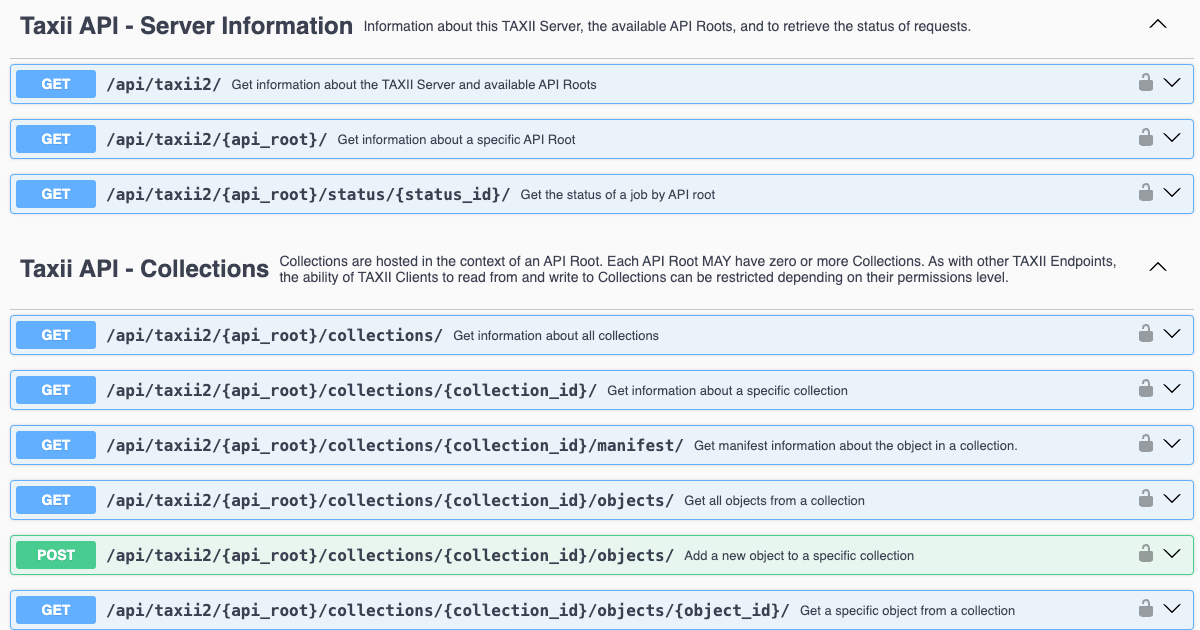
Using STIX 2.1, TAXII, and API-driven workflows means the platform can act as a delivery and interoperability layer instead of a destination where CTI gets stuck.
That is especially important for teams that already have a TIP, SIEM, enrichment service, internal pipeline, or engineering workflow that expects structured inputs. In those environments, a feed is only useful if it can be consumed repeatedly and predictably without manual reformatting.
Why teams use it
- Pull intelligence into existing CTI platforms.
- Support ingestion into TIP, SIEM, and automation pipelines.
- Reuse the same structured feed in both analyst and machine workflows.
- Reduce manual copy-paste and format conversion work.
Operational value
CTX helps reduce the gap between intelligence acquisition and intelligence use. Once a team has subscribed to the right feeds, the next step is getting those feeds into the systems that support enrichment, detection, prioritisation, and workflow automation.
Because the exchange is built around structured delivery, teams can move from subscription to integration without treating every source as a custom project.
Good fit examples
- Security teams normalising multiple CTI sources into a central TIP.
- Detection and hunting teams that want to enrich internal workflows with external feed content.
- Engineering teams building repeatable ingestion or analysis pipelines around CTI data.