
Publish Structured CTI Feeds
Help researchers publish cyber threat intelligence as structured STIX 2.1 feeds that remain usable long after the initial write-up.
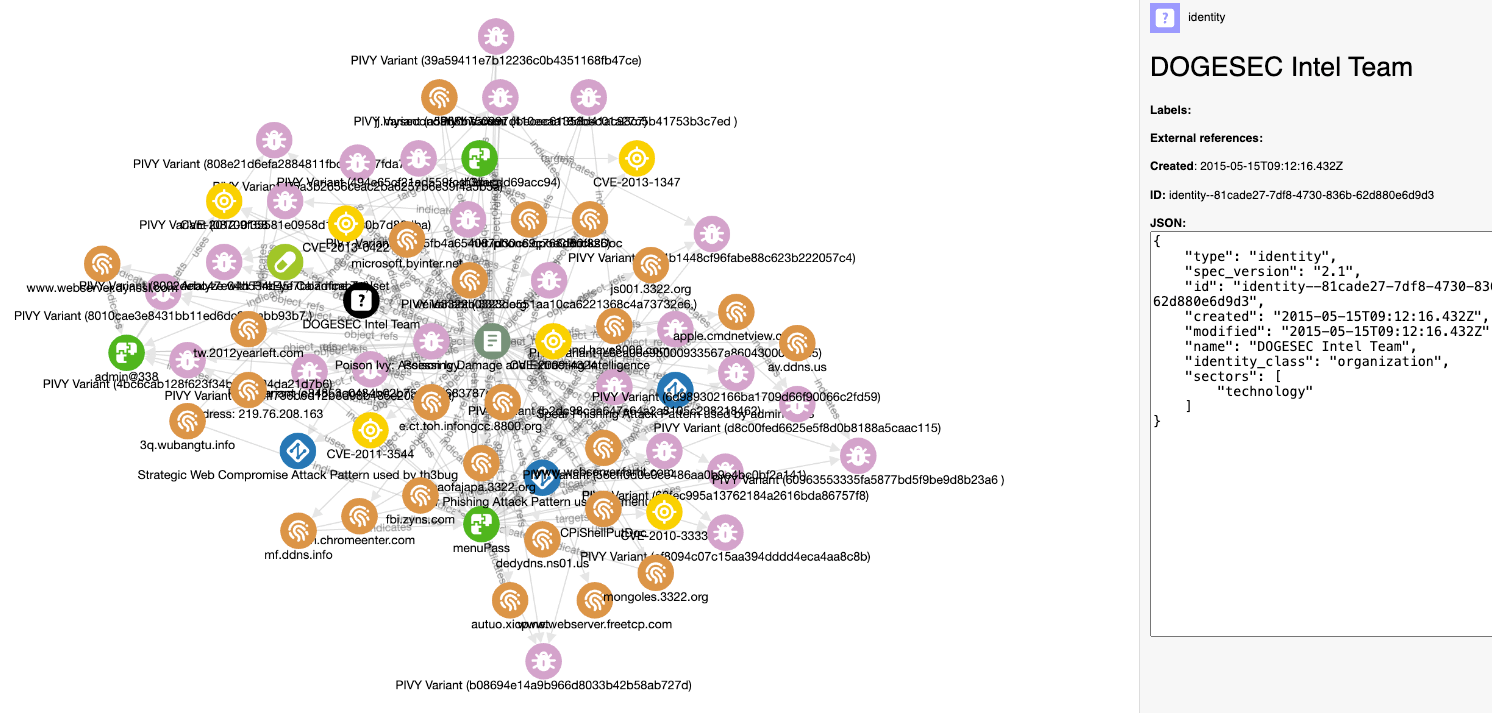
Overview
Cyber Threat Exchange helps research teams keep the value of their work intact by publishing CTI as structured data instead of only prose.
That matters when you want downstream users to search, correlate, enrich, and operationalise what you publish rather than manually reconstructing it from reports.
For many research teams, the problem is not finding interesting intelligence. The problem is delivering it in a way that survives contact with the real world. A report may explain the narrative well, but it usually does not preserve the full set of machine-usable relationships, objects, and identifiers that downstream teams need.
Why teams use it
- Preserve explicit relationships in STIX 2.1.
- Deliver recurring intelligence as a subscription feed.
- Reach consumers who want operational CTI, not just commentary.
- Support publishing workflows that can scale beyond one-off releases.
How CTX changes the publishing workflow
Instead of treating structured intelligence as an afterthought, CTX makes it the delivery format. That means a research team can publish into a feed that customers or internal stakeholders can subscribe to directly.
The result is a cleaner separation between narrative research and operational output. Teams can still write reports, but they are no longer forced to choose between readable context and reusable data.
Good fit examples
- Specialist research teams covering ransomware, intrusion sets, or sector-specific threats.
- Intelligence providers that want repeatable feed delivery rather than ad hoc exports.
- Internal research groups that need their CTI to be consumed by engineering, detection, or threat-hunting teams.