
Threat Hunting and Enrichment
Use structured CTI from Cyber Threat Exchange to enrich investigations, pivot through relationships, and support hunting workflows.
Overview
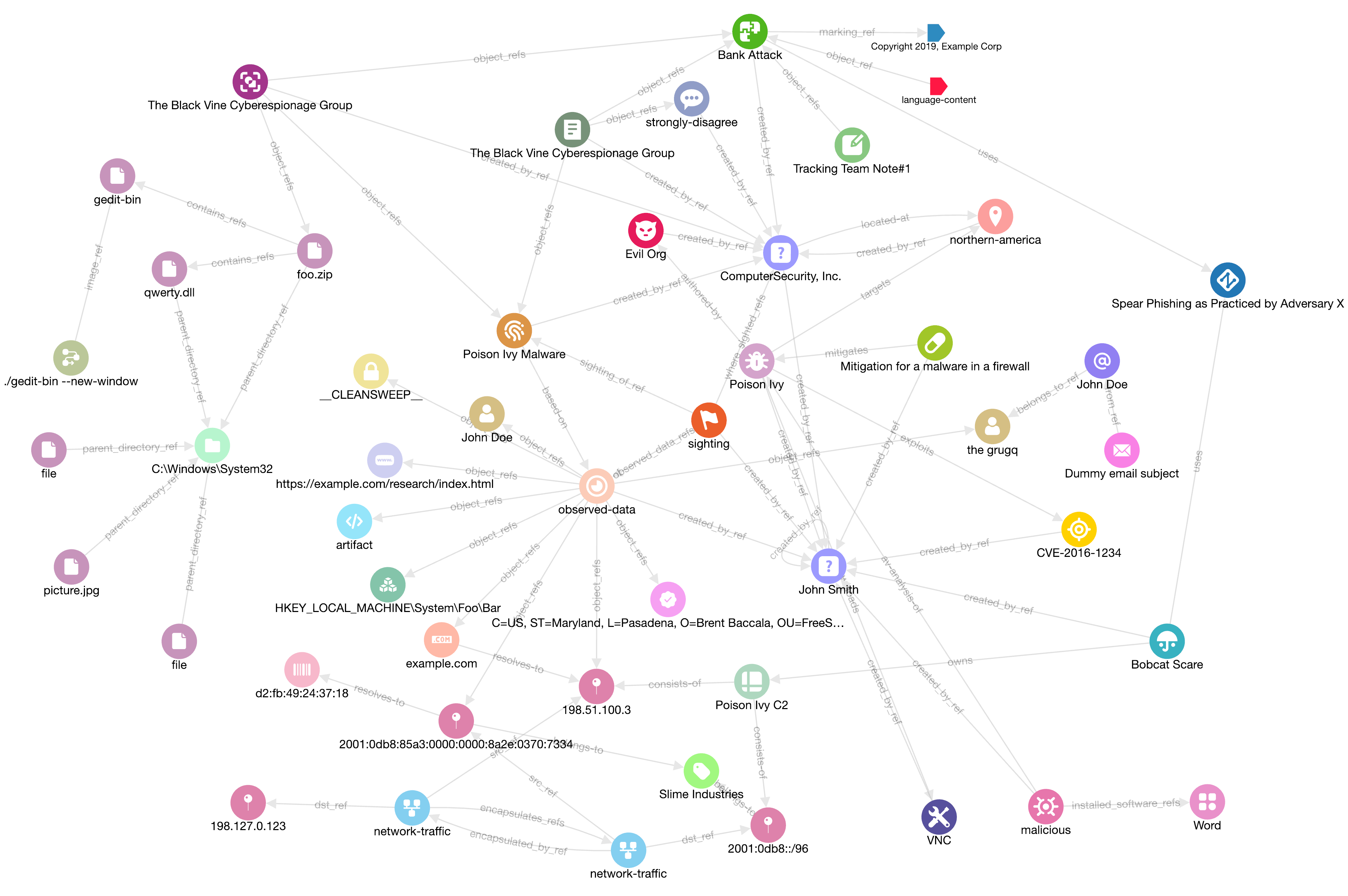
When intelligence is delivered as structured STIX 2.1, analysts can do more than read it. They can search it, pivot across relationships, and combine it with what they already know.
Cyber Threat Exchange supports enrichment workflows where teams want to compare sources, trace related entities, and move faster from one clue to the broader picture.
That makes CTX useful for investigators and hunters who need context around observables, malware, infrastructure, campaigns, or adversaries without rebuilding that context manually from multiple sources.
Typical outcomes
- Richer context around observables, malware, campaigns, and adversaries.
- Faster pivots from one artifact into connected intelligence.
- Better reuse of specialist reporting inside analyst workflows.
Common workflow pattern
A team starts with a clue: an indicator, a malware family, a report reference, or a suspected campaign link. The next challenge is not just finding more text about it, but tracing what it connects to and which sources are worth trusting.
CTX helps by providing structured feed content that can be explored directly or pulled into enrichment workflows through APIs and downstream tooling.
Why structure matters here
Threat hunting benefits from relationships. It is easier to move from one artifact to the wider story when the data already preserves how the objects connect instead of leaving analysts to infer those links from narrative text alone.