
Cyber Threat Exchange Use Cases
Explore practical Cyber Threat Exchange use cases for monitoring, enrichment, research publishing, and downstream CTI ingestion.
Overview
Cyber Threat Exchange supports both sides of the CTI workflow: getting good intelligence published in a structured way and getting that intelligence into the places defenders can use it.
These pages focus on the practical workflows where specialist CTI feeds are most useful.
The use cases here are intentionally workflow-led. They are not just different ways of saying “consume intelligence.” They map to common situations where focused feeds, clear source selection, and structured delivery change the quality of the outcome.
-
Ransomware and Campaign Monitoring
Track focused reporting from specialist feeds without waiting for broad vendor summaries.
-
Threat Hunting and Enrichment
Use structured relationships to enrich existing findings and pivot through related CTI faster.
-
Research Publishing and Feed Delivery
Turn analyst output into recurring structured feeds instead of leaving it locked inside static reports.
-
TIP and SIEM Ingestion
Bring subscribed intelligence into the rest of your operational stack through standards-based delivery.
What ties these use cases together
- A need for better signal than a generic feed usually provides.
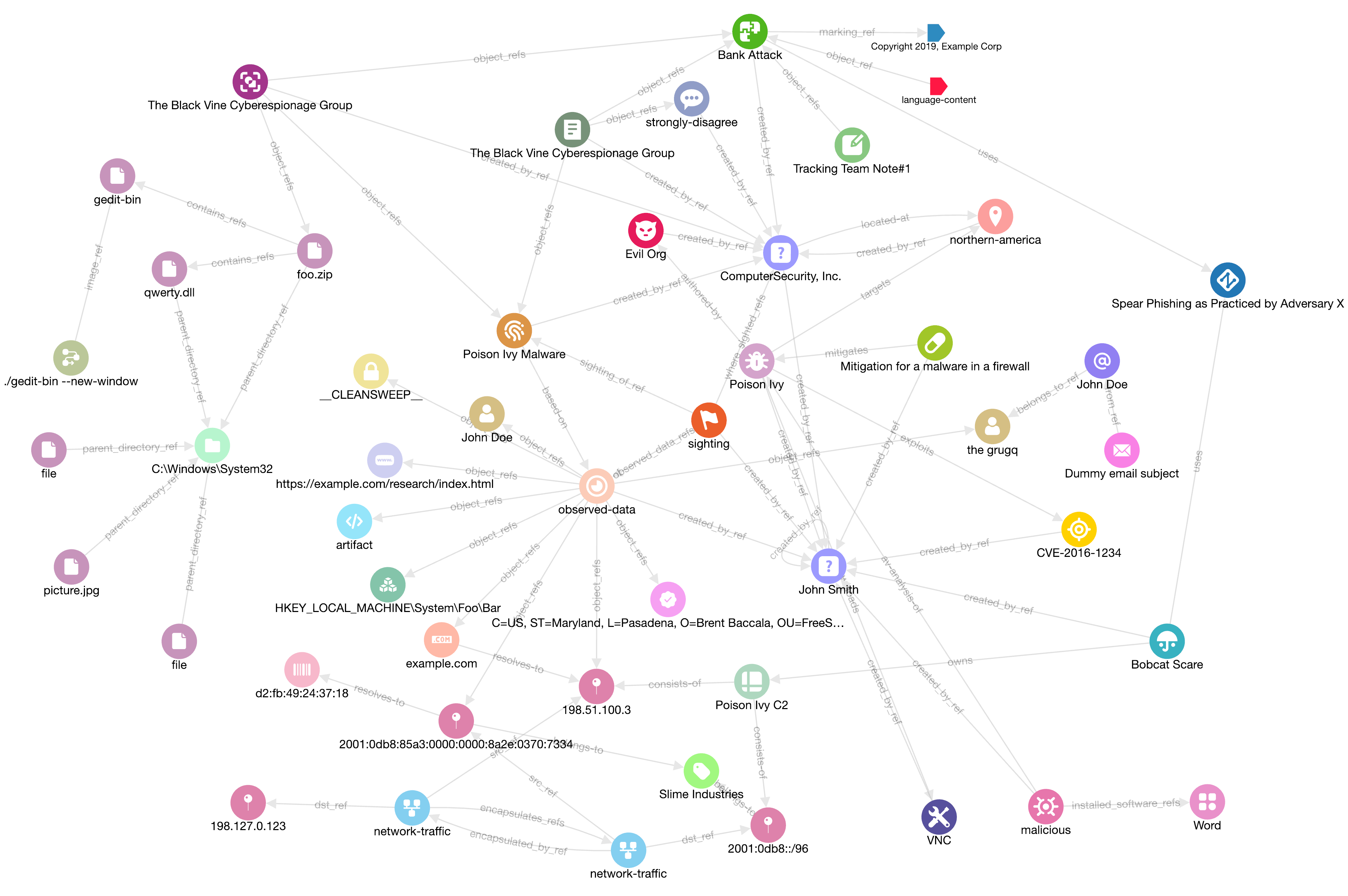
- A benefit from preserving STIX relationships instead of flattening the data into prose or CSV.
- A desire to move quickly from subscription or publication into operational workflows.
Why CTX is different in these scenarios
Cyber Threat Exchange combines a marketplace model with a structured-delivery model. That means teams can choose who they want to hear from and still receive intelligence in a format that supports downstream use, not just passive reading.